Rotten Column Replacement in Redmond, WA
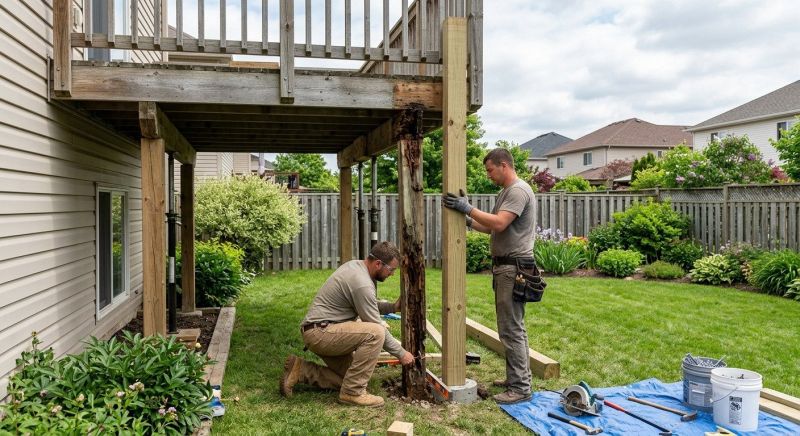
Rotten column replacement services address issues where structural support columns in a property have become compromised due to rot, decay, or damage. This service is commonly requested for projects involving basement supports, porch columns, or other load-bearing structures that show signs of deterioration. Property owners typically want to understand the extent of the damage, the materials used for replacement, and how the new columns will integrate with existing structures to ensure safety and stability.
Before requesting rotten column replacement, property owners should assess the visible signs of decay, such as soft spots, crumbling wood, or leaning supports. It is also helpful to consider the age of the existing columns and any previous repairs. Clear communication about the scope of work, including whether the project involves partial or complete replacement, can help ensure the process meets safety standards and structural needs. Proper evaluation and planning can help maintain the integrity and value of the property.
Many property owners in Redmond, WA look into Rotten Column Replacement for repairs, replacements, upgrades, and appearance-related improvements.
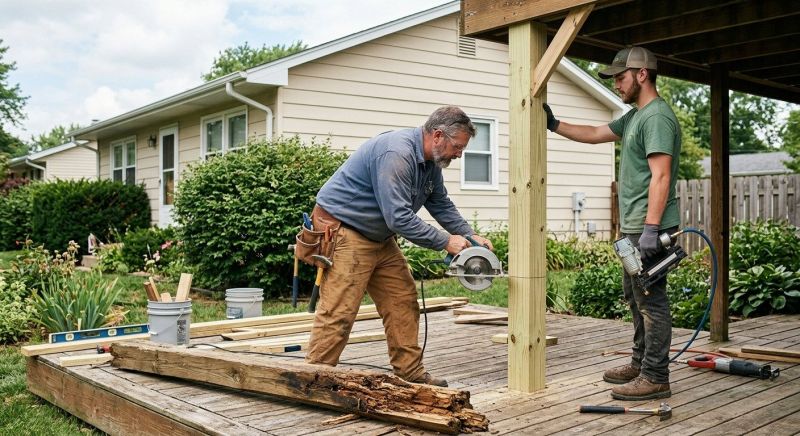
Identifying Rotten Columns
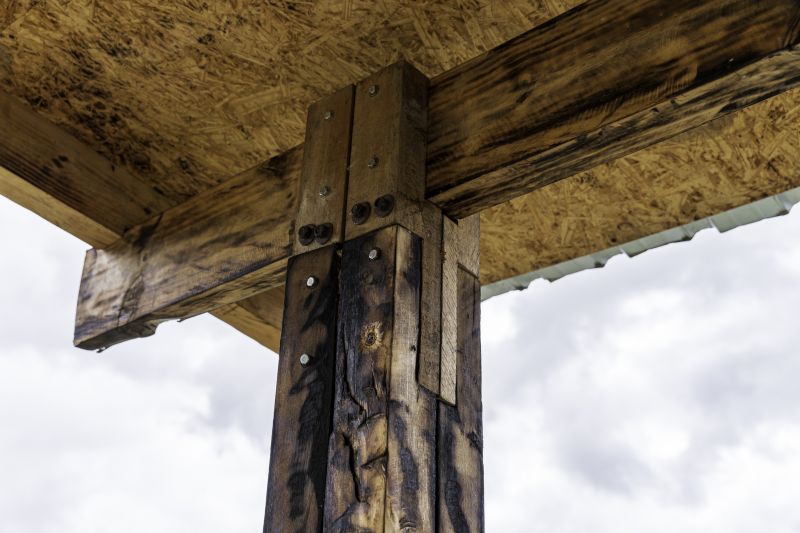
Signs of decay or damage in structural columns may indicate the need for replacement.
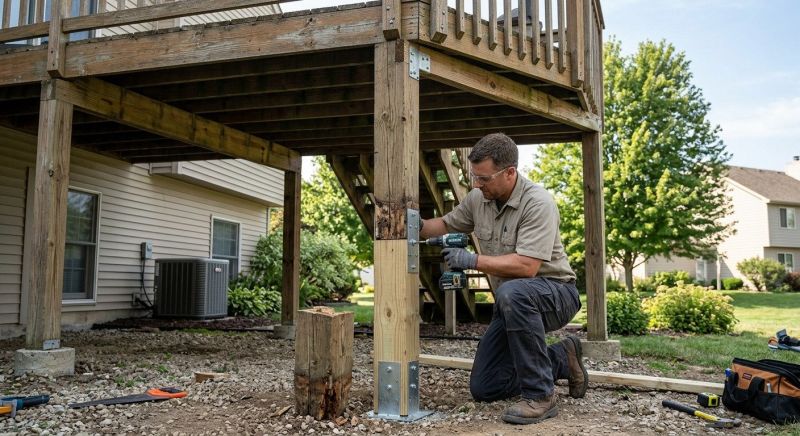
Benefits Of Replacement
Replacing damaged columns can enhance safety and restore the stability of your property.
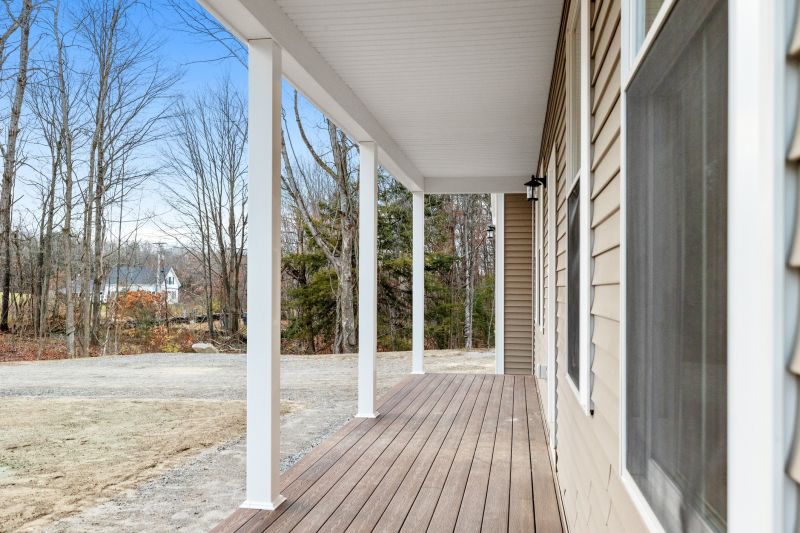
Common Replacement Materials
Concrete, steel, and wood are frequently used options for durable and reliable column replacement in redmond, wa.
Rotten Column Replacement in Redmond, WA

Rotten column replacement services address issues where structural support columns in a property have become compromised due to rot, decay, or damage. This service is commonly requested for projects involving basement supports, porch columns, or other load-bearing structures that show signs of deterioration. Property owners typically want to understand the extent of the damage, the materials used for replacement, and how the new columns will integrate with existing structures to ensure safety and stability.
Before requesting rotten column replacement, property owners should assess the visible signs of decay, such as soft spots, crumbling wood, or leaning supports. It is also helpful to consider the age of the existing columns and any previous repairs. Clear communication about the scope of work, including whether the project involves partial or complete replacement, can help ensure the process meets safety standards and structural needs. Proper evaluation and planning can help maintain the integrity and value of the property.
Many property owners in Redmond, WA look into Rotten Column Replacement for repairs, replacements, upgrades, and appearance-related improvements.
Common Rotten Column Replacement Jobs
Rotten Column Replacement - involves removing and replacing damaged or deteriorated structural columns.
Support Beam Replacement - restores stability by replacing compromised support columns.
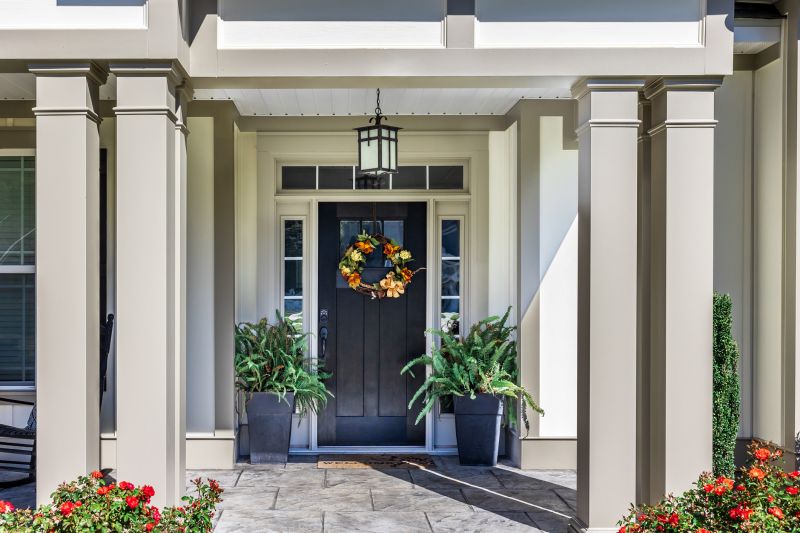
Exterior Column Replacement - updates or repairs columns that contribute to the building’s curb appeal.
Interior Column Replacement - replaces columns inside the property to improve safety and functionality.
Post and Pedestal Replacement - updates supporting posts and pedestals that hold up decks or porches.
Column Foundation Repair - addresses issues with the base or footing of columns to prevent future damage.
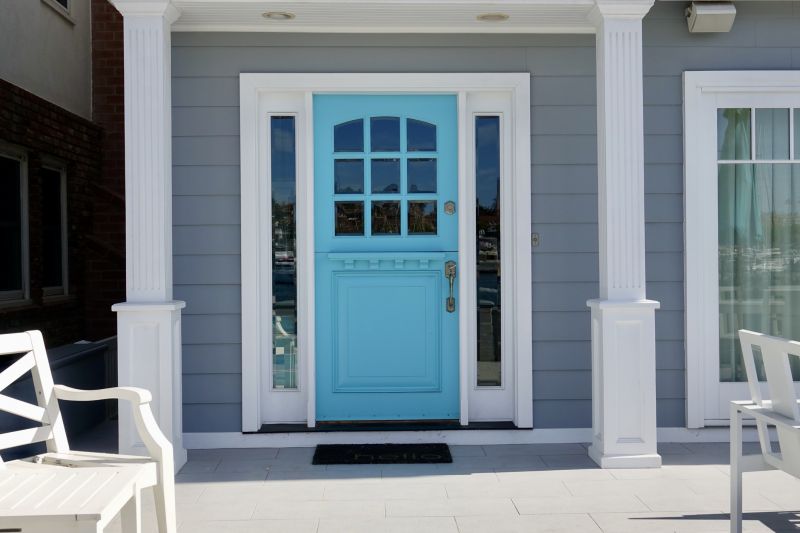
Rotten Column Replacement Questions
What causes a column to rot? Moisture exposure, wood decay, and age can lead to rot in structural columns.
How can I tell if a column needs replacement? Signs include wood deterioration, mold, and visible decay or damage.
What are the benefits of replacing a rotten column? Replacing prevents structural issues and restores the appearance of the property.
Is it necessary to replace all rotten columns at once? It depends on the extent of damage; a professional assessment can determine the best approach.
Request Rotten Column Replacement in Redmond, WA
Use the quote form on this page to share the basics of your project and request more information for the type of work you need.